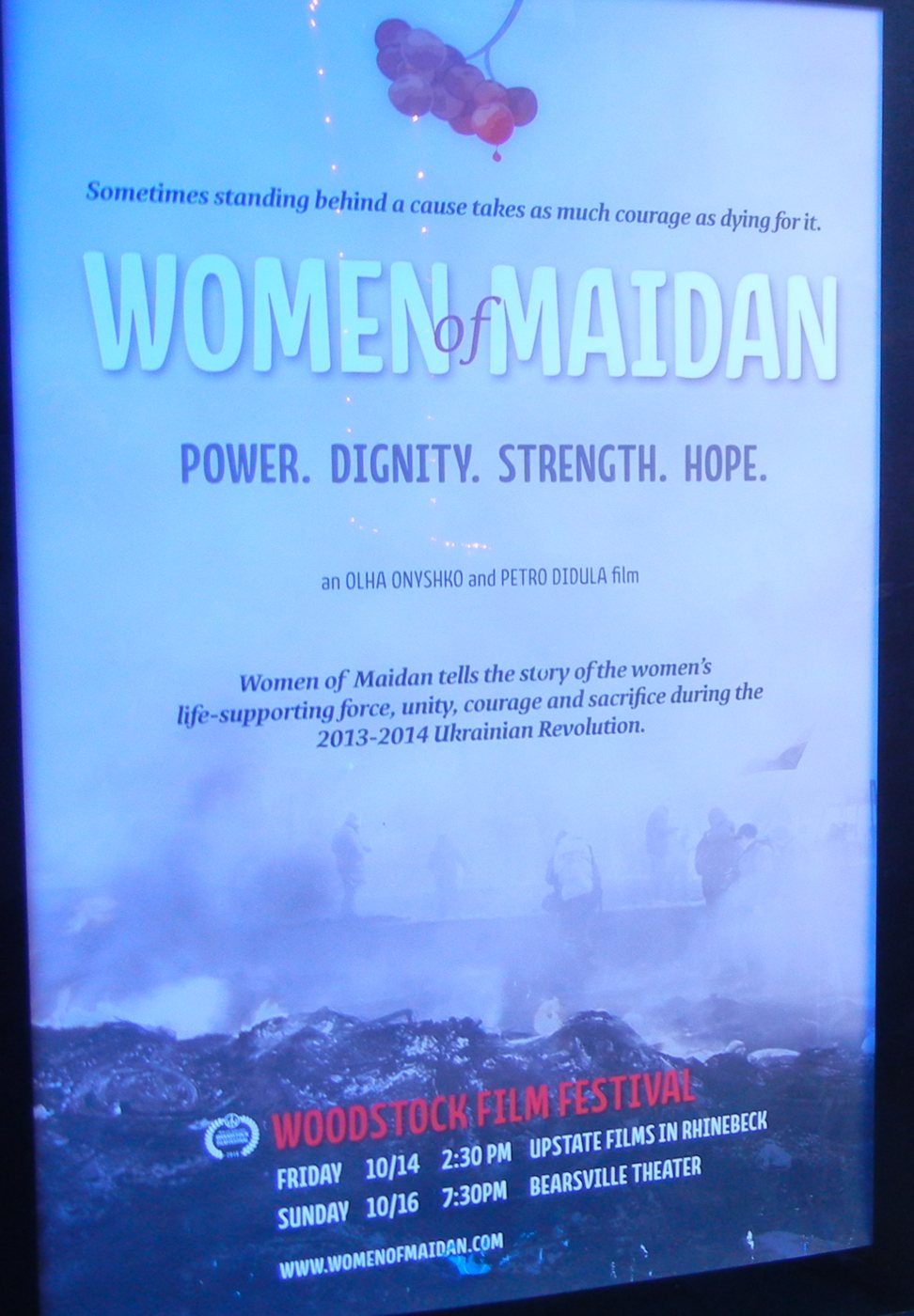
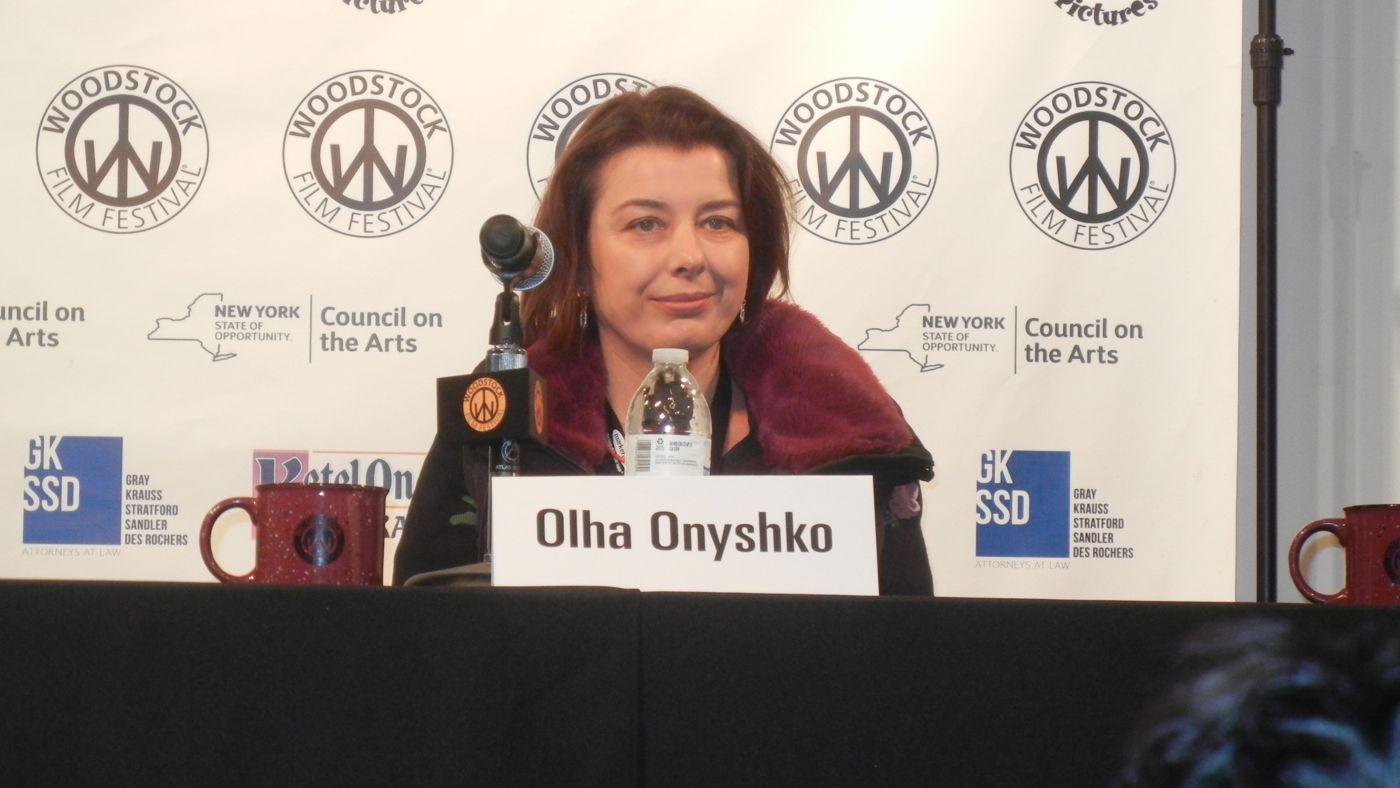
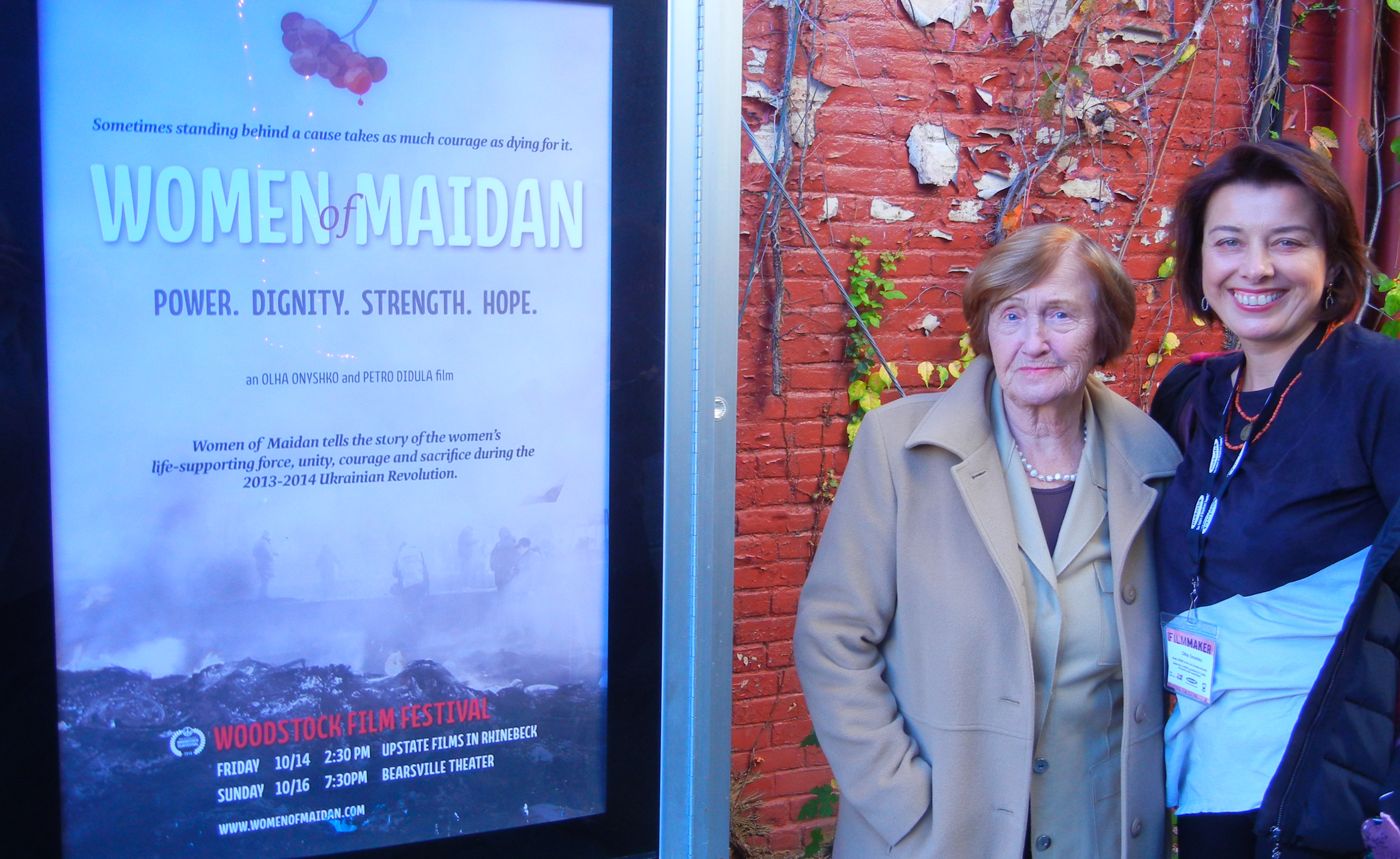
In the fall of 2016, I took on the marketing and promotions for the world premiere of Olha Onyshko’s Women of Maidan at the 17th Woodstock Film Festival. I wrote the press release and an article for The Ukrainian Weekly, and spread the word to anyone who would listen. Woodstock, hailed as “a true American maverick among film fests,” was the right home for it.
The film is set during the 2013–14 Revolution of Dignity, in the harsh winter and violent crackdowns by the Berkut special police. It began when unarmed students at a peaceful protest were attacked, and Kyiv was soon under siege. Women became the core of the movement, the backbone of humaneness and the heartbeat of a society that came together to fight for its freedom. The underlying message: if enough women stood side by side with the men, their unity could defeat any regime.
Olha took personal risks to make it, working alongside Petro Didula, her co-producer and director of photography. She began her career in broadcast journalism in Lviv, then moved to the United States in 2002 and worked as an anchor, writer and producer for Voice of America. She turned to documentary filmmaking while earning her MFA at American University. Her first feature, Three Stories of Galicia, screened in 12 countries. While editing Women of Maidan, she also helped bring wounded Ukrainian soldiers to the United States for life-saving medical treatment.
When Olha introduced the film at the Rhinebeck screening, she held a canvas tote silkscreened with the Guelder Rose, an ancient symbol of endurance and fortitude that became a symbol of courage for the people in the square. The screening fell on Friday, October 14, the Feast of the Holy Protectress, a centuries-old Holy Day on which the Cossacks prayed before their great battles. The film screened again that Sunday at the Bearsville Theater in Woodstock. Looking back, it fits the thread I find running through every Woodstock I’ve attended: risk. Making a film, telling a difficult story, standing up when it would be easier not to. It is a risk worth taking.