Getting a film into Cannes is an accomplishment worth crowing about, but most filmmakers squander their golden opportunity without a plan. Images of all-night parties on yachts dance in their heads, instead of finding a way to give their film status at a market like Cannes.
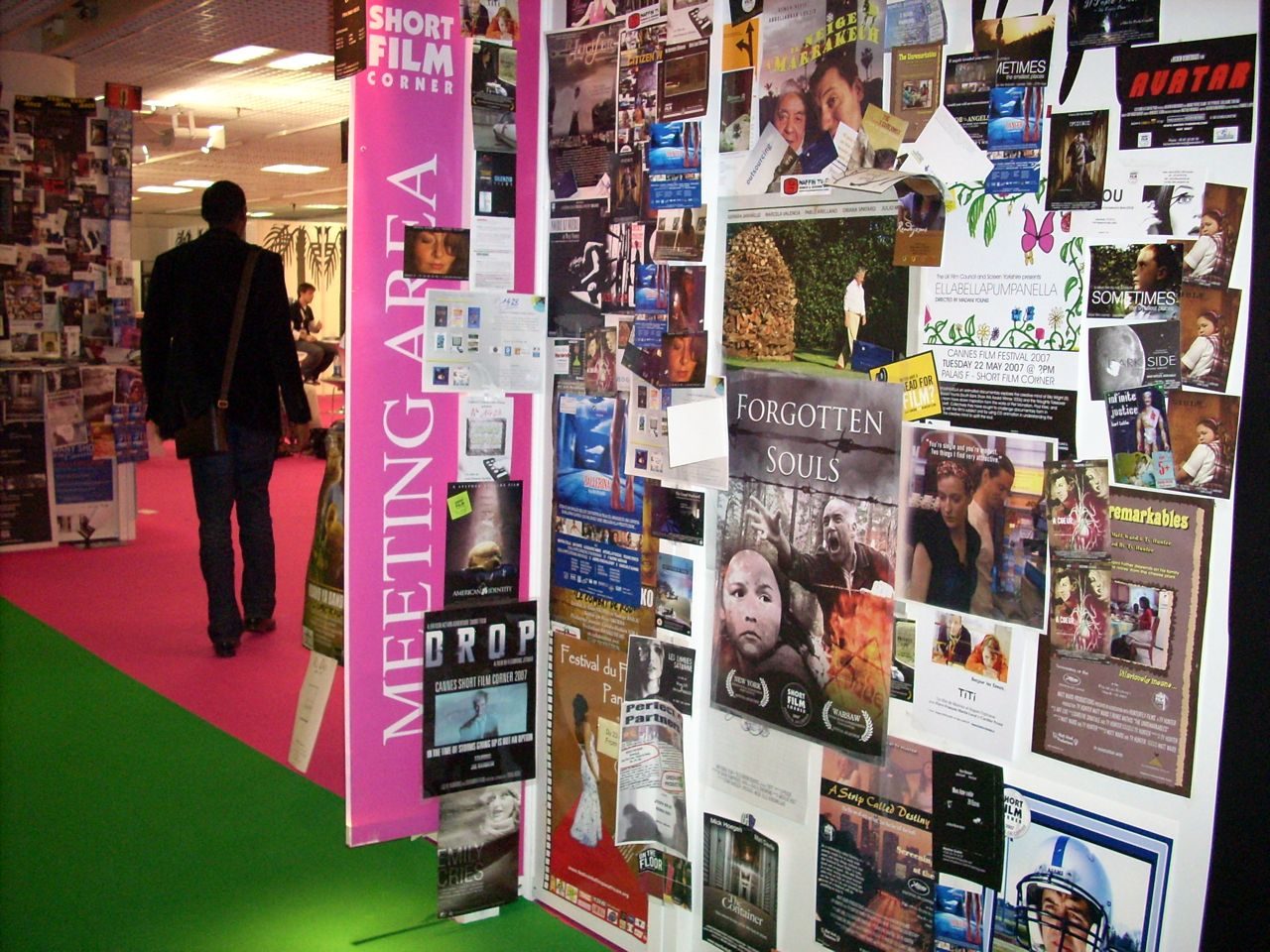
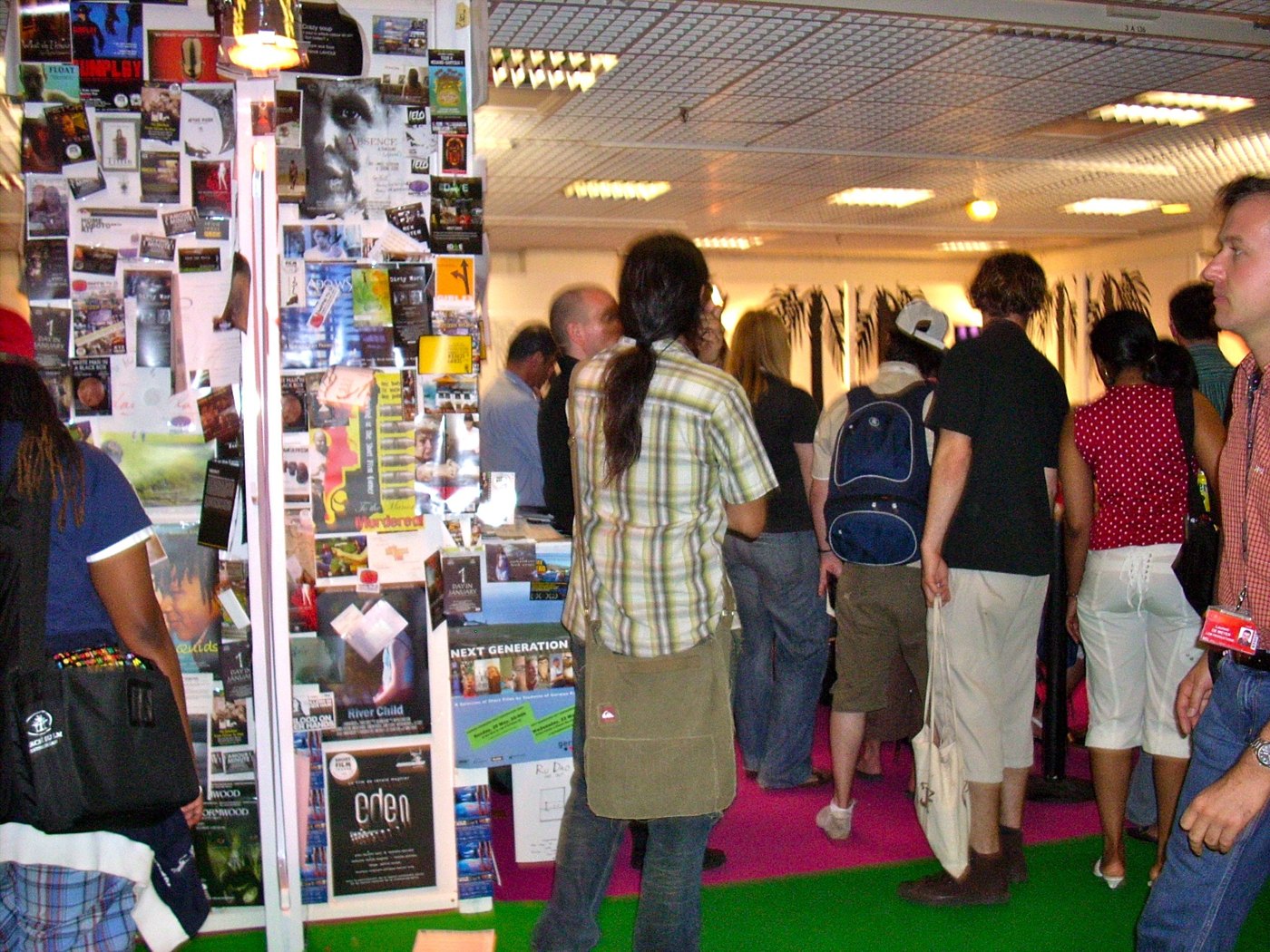
It was vividly true in the Short Film Corner, unbelievably crowded, with very little chance for anyone to take their time in this underbelly of the film market universe. Jay Wheddon showed what a short film win can do. His short Flinch won the audience awards for Best Director and Best Screenwriter, he negotiated a deal to turn it into a feature, and he came back to Cannes the next year, all expenses paid, to hand out the award to the new winner.
I went two years in a row, the first to learn the ropes, just as my Cape May film festival friend, filmmaker Jill Wisoff, advised. Her notes are still on file: join the Cannes network at cinando.com for access to every buyer, seller and distributor; rent a single market screening, ideally in the Palais, where people can find it, so your film is listed in the Cannes guides, the trades and the daily screening guides handed to some 80,000 people; book it early, between the first Saturday and the following Tuesday, while the industry is still in town. Filmmakers have to become their own promotion and distribution machines, and none of it is a mystery.
Sitting in the Short Film Corner will not get you very far on its own. One filmmaker told me he doesn’t go to Sundance, because if he can’t get into the parties it isn’t worth it. I totally disagreed. There is more to it than meets the eye, and every moment of the film festival experience is worth it. Lessons learned.